
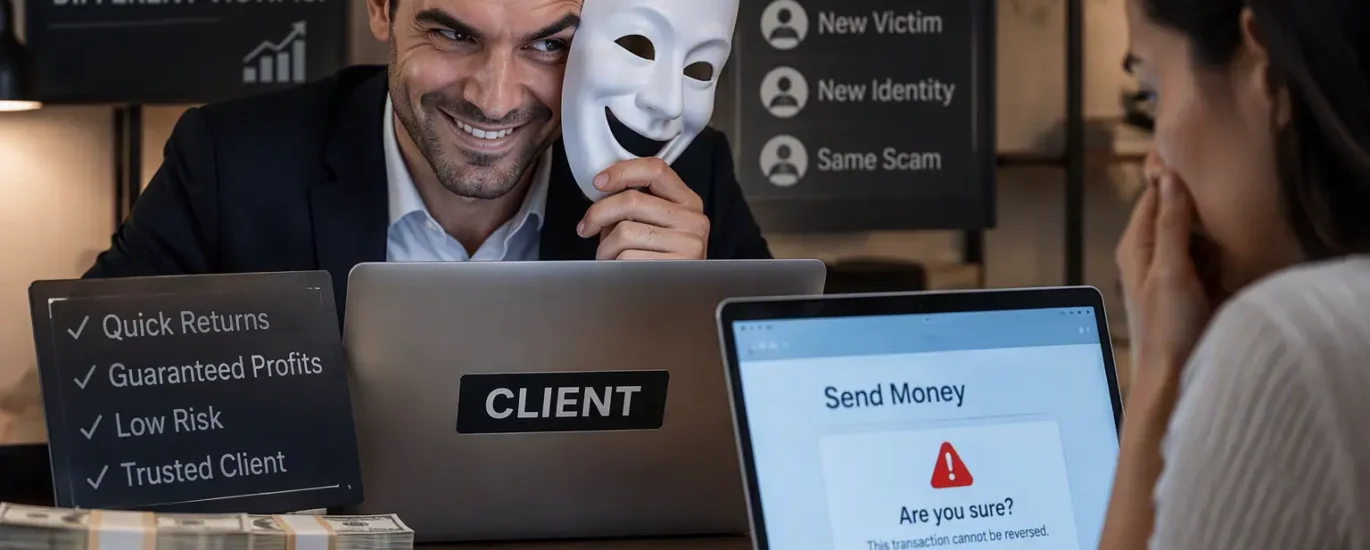
Client verification is a crucial process that businesses should undertake to ensure the legitimacy of their prospects before entering into transactions. Verifying clients can significantly mitigate the risks associated with scamming clients, which are increasingly prevalent in today’s digital marketplace. By employing effective verification strategies, businesses can not only protect their financial resources but also preserve their reputation in an age where trust is paramount.
Failing to verify clients can lead to severe consequences, including financial losses and damage to a company’s reputation. Online scammers continually develop sophisticated tactics to exploit unsuspecting businesses. Engaging with such individuals can result in significant setbacks, ranging from lost investments to legal liabilities. Therefore, understanding the verification process is not just a precaution; it is a foundational practice for responsible business operation.
Verification typically involves several key elements. First, businesses should check the identity of their clients through official documentation, such as government-issued IDs or business licenses. This step alone can reveal discrepancies that indicate potential scamming clients or fraudulent clients. Additionally, conducting background checks can provide insight into a client’s history and any past fraudulent activities. Using reputable verification services can further enhance this process, as these platforms often possess access to extensive databases and sophisticated technologies.
It is important to stay updated on the latest trends concerning online scammers. Educating employees about the signs of fraudulent behavior and implementing training programs can fortify a company’s defenses. Regularly reviewing client engagement protocols ensures that the verification practices remain robust, leading to better protection against the risks posed by unverified clients.
Identifying Common Scams Targeting Businesses
Businesses face an increasing threat from online scammers who employ various tactics to deceive unsuspecting clients and employees. Understanding these tactics is crucial for securing your operations against significant risks. One common method used by these scamming clients is the dissemination of spoofed emails. These fraudulent emails are crafted to resemble legitimate communications from trusted sources, which can lead to compromising sensitive information or unauthorized financial transactions.
Do You Need Help?
XEye Security offers you the ultimate proactive and cost-effective approach and solutions to combating all types of cyber threats, ensuring compliance, and implementing robust security measures.
Another prevalent scam tactic involves the creation of fake websites that feels an online presence of an authentic business. These sites often appear convincing, featuring logos and very good design.
Impersonation is another tactic that online scammers frequently utilize. Scammers may pose as someone from within your organization or a recognized figure within the industry, reaching out to employees or partners to request sensitive actions or information. This strategy exploits trust and can lead to significant security breaches.
Online scammers often utilize social engineering techniques, manipulating individuals into divulging confidential information. They may employ both direct and indirect approaches, such as creating a sense of urgency or fear in order to elicit responses from targets.
Being aware of these common scams targeting businesses is essential for implementing effective strategies to verify clients and protect your business. Training employees to recognize these signs can help minimize risks associated with falling victim to scamming clients.
The Role of Online Reputation in Client Verification
In the current digital landscape, researching a client’s online reputation plays a crucial role in ensuring the integrity of business transactions. Evaluating a client’s reputation can serve as an initial step to mitigate the risk of encountering scamming clients and to safeguard one’s business. Don’t always trust online reviews, scammers can buy tens or hundreds of reviews to submit reviews to make their fake businesses look like legit and scam as many as victims as possible, so don’t let the good reviews make you skip evaluating your client’s reputation further.
To strengthen the verification process, businesses can utilize multiple online resources. Exploration of professional networking sites such as LinkedIn can provide further context about a client’s background and previous engagements. Additionally, having a presence on industry-specific forums may reveal interactions that could indicate a client’s reliability. Engaging with mutual contacts or previous business partners can also yield valuable firsthand accounts.
Furthermore, scrutinizing a client’s online behavior can also offer significant insights. A thorough review of their social media presence may reveal inconsistencies that raise red flags. Unusual patterns in the way they interact with others could suggest fraudulent intentions. In summary, while researching a client’s online reputation is vital, it is paramount to supplement this information with other verification methods to develop a well-rounded understanding of the potential risks posed by scamming clients. Comprehensive research ensures a more informed decision-making process, ultimately protecting your business from potential fraud.
Utilizing LinkedIn for Client Verification
Leveraging social media platforms like LinkedIn is indispensable for businesses aiming to verify clients and reduce the risk of falling victim to scamming clients or online scammers. A well-crafted LinkedIn profile can provide crucial insights into a client’s professional history, connections, and credibility.
When assessing a potential client’s LinkedIn profile, the first element to examine is the number and quality of their connections. A client with a significant number of connections, particularly in industries related to your field, can be a positive indicator of their legitimacy. Additionally, reviewing mutual connections can provide further assurance; shared contacts may serve as references or validate the client’s existence and reputation.
Another critical aspect to consider is the endorsements and recommendations present on the client’s profile. Client endorsements, especially from recognizable figures or reputable organizations, can serve as a testament to a client’s skills and trustworthiness. Recommendations from former colleagues or business partners provide context about the individual’s professional demeanor and can help identify possible red flags associated with scamming clients.
The detailed description of the client’s current and previous employment is also essential in the verification process. Observing the consistency between the professional timeline and any public records can affirm the validity of their claims. Pay close attention to the details regarding company names, roles, and duration of employment; discrepancies in this information may suggest potential risks, including the possibility of online scammers.
In conclusion, utilizing LinkedIn as a tool for client verification is a strategic approach that offers a wealth of information. By critically analyzing connections, endorsements, recommendations, and employment histories, businesses can significantly mitigate risks associated with fraudulent clients, thus safeguarding their operations effectively.
Do You Need Help?
XEye Security offers you the ultimate proactive and cost-effective approach and solutions to combating all types of cyber threats, ensuring compliance, and implementing robust security measures.
Best Practices for Verification Through Phone Calls
Direct communication with clients is a crucial strategy in safeguarding your business from online scammers. Phone calls serve as an effective verification method, allowing you to establish a personal connection and assess the legitimacy of potential clients. During these calls, it is essential to leverage specific questions that can help determine the authenticity of the individual on the other end.
Begin the conversation by asking open-ended questions about the client’s expectations and requirements. Inquire about their previous experiences related to your services or products. This not only gives you insight into their needs but also allows you to gauge their knowledge and interest level. A legitimate client typically exhibits clear, reasonable expectations, while a suspicious response may indicate attempts by scamming clients to manipulate the conversation.
Next, confirm the details they provided during your initial communications. For example, reiterate the name, address, and other relevant data. This approach can reveal inconsistencies in their story, which is a common red flag associated with online scammers. Furthermore, consider asking for references or testimonials from previous transactions. A genuine client should be willing and able to provide this information without hesitation.
It is also prudent to trust your instincts during these conversations. Pay attention to the tone of voice, responsiveness, and coherence of the client’s answers. If there are signs of anxiety or evasiveness, it may warrant further scrutiny. Remember, the purpose of these phone calls is to create a rapport while simultaneously ensuring that your business remains protected from potential threats posed by scamming clients.
Government Entity Searches and Business Validation
It is also crucial for businesses to implement effective measures to verify clients and protect against potential risks, including scamming clients and online scammers. One of the most efficient ways to ensure a company’s legitimacy is through government entity searches. These tools provide reliable information that is essential for validating business operations and safeguarding your interests.
Government entity searches can typically be conducted through various state and federal government databases that track company registrations. To begin, it is advisable to identify the state-specific secretary of state or business registration office website, as these portals often house valuable databases that list registered businesses. By inputting a company’s name into these databases, you can gain insight into whether or not the business is officially recognized and in good standing.
When utilizing these search tools, there are several key elements to evaluate. First, confirm that the company is actively registered and that its registration has not lapsed. Periodically, companies may fail to renew their business licenses, which can be a red flag when trust is essential. Additionally, search for the company’s formation details, including the date of incorporation, as this can provide context regarding its operational history and stability.
Legitimate businesses often have detailed information regarding their registered agents, business addresses, and contact information. Cross-referencing this data with other online resources can help to validate the reliability of the entity in question. Lastly, don’t hesitate to reach out directly to the company for clarification on any discrepancies or to confirm their business practices.
Employing government entity searches as part of your due diligence not only protects you from potential scams but also fosters trust in your professional relationships. By establishing a thorough verification routine, you mitigate the risks associated with online scammers and ensure that your business dealings are secure.
Payment Method Caution: Avoiding Credit Card Transactions
Accepting credit card payments for physical products can pose significant risks, particularly when it comes to scamming clients. While credit cards provide convenience to consumers, they also open the door to various types of fraud. Online scammers have developed sophisticated methods to exploit vulnerabilities in online transactions, making it crucial for businesses to critically assess the acceptance of credit card payments.
The first concern lies in chargebacks. A chargeback occurs when a customer disputes a transaction, leading the bank to reverse the payment. This not only incurs financial losses for the business but can also lead to increased scrutiny from payment processors. In cases of frequent chargebacks, businesses may face higher fees or even loss of their payment processing privileges. Thus, the risk associated with accepting credit card payments becomes a significant consideration.
Online scammers are adept at using stolen credit card information to purchase items from unsuspecting businesses. Hackers sell stolen credit card information from sites they exploited on the dark web (They sell them to stay hidden and avoid any conflicts with authorities) This fraudulent activity can result in not only monetary loss but also damage to the reputation of the business. Scammers can easily provide false information, making it difficult for businesses to identify legitimate customers, especially when coupled with the anonymity of online shopping. Only allow credit cards payment for digital products or online services (Escrow solution for online payment for services provided), otherwise only access offline payments or wire transfers.
Milestone Payments for High-Value Transactions
Particularly those involving physical items like laptops, the practice of setting milestone payments is paramount. This strategy serves to protect both the buyer and seller, reducing the risk of falling victim to scamming clients and ensuring that the transaction proceeds smoothly. Implement a structured payment plan tied to specific deliverables, both parties can establish trust and accountability.
Milestone payments involve breaking down the total payment into smaller, manageable portions that are paid upon the completion of agreed-upon stages of the transaction. For example, when a buyer orders a laptop, they might pay an initial deposit before the item is shipped, with the remaining payments scheduled upon shipment and delivery. This approach mitigates the risk of online scammers as each milestone serves as a checkpoint where both parties can assess the progress of the transaction.
A Comprehensive Verification Checklist for Businesses
Effective client verification is essential in safeguarding a business from the increasing threat posed by scamming clients and online scammers. Here is a detailed checklist that businesses can implement to enhance their client verification processes and protect their operations.
1. Collect Basic Information: Always begin by collecting fundamental information such as the client’s full name, contact number, address, and email. This initial step establishes a basic foundation for further verification.
2. Conduct Identity Verification: Utilize identity verification tools that can confirm the authenticity of legal documents like government-issued IDs or passports. This helps to ensure that the client is indeed who they claim to be.
3. Perform Background Checks: Consider conducting background checks that can reveal any criminal records or negative customer histories associated with potential clients. This is especially important for high-value transactions, you can ask AI both Gemini and Copilot to conduct automated search and spot if there is any relevant suspicious history of the client.
4. Verify Payment Information: It is crucial to confirm the validity of the payment methods clients provide. This can include checking bank details or using secure payment gateways that reduce the risk of fraudulent transactions.
5. Establish Clear Communication: Engage in direct communication with potential clients. Ask relevant questions that can help identify inconsistencies in their responses, which may indicate either scamming clients or online scammers at work.
6. Monitor Client Behavior: Keep an eye on client activities for any red flags, such as urgent requests for service without proper documentation. Such behaviors can indicate that further scrutiny is needed.
7. Utilize Technology: Implementing software solutions that specialize in fraud detection can enhance your ability to identify and mitigate risks associated with online scammers.
8. Utilize Escrow Solution: Escrow is an online solution your business can utilize for small fees it acts as a financial or digital arrangement where a neutral third party securely holds funds, assets, or data until specific contract conditions are met, this is important for online services to protect both clients and providers financial rights.
9. Stay Updated: Regularly update your verification processes. Scammers continuously evolve their tactics, and maintaining an awareness of the latest trends can bolster your defenses.
Follow this comprehensive checklist and take proactive measures in verifying clients effectively and minimizing the potential risks associated with scamming clients and online scammers.